
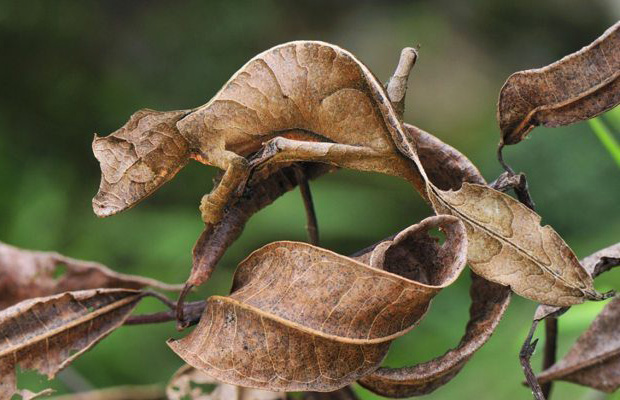
Baron Caterpillar
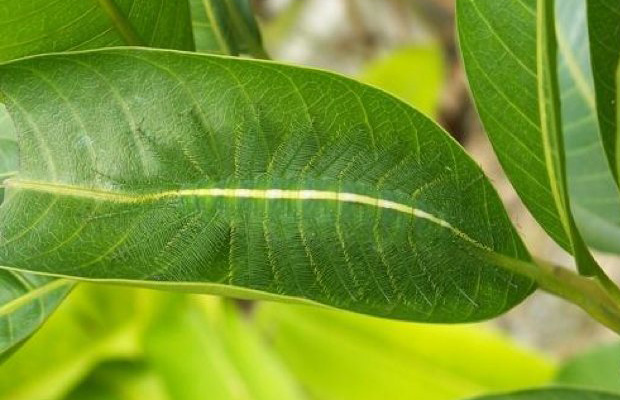
The Baron Caterpillar (Euthalia aconthea gurda) is native to India and Southeast Asia. They are about 4 mm long with small spikes when they hatch, but as they reach their 4th and 5th stage of growth (known as instars), they can grow to be about 45mm, with much more elongated spikes.
Merlet’s Scorpionfish
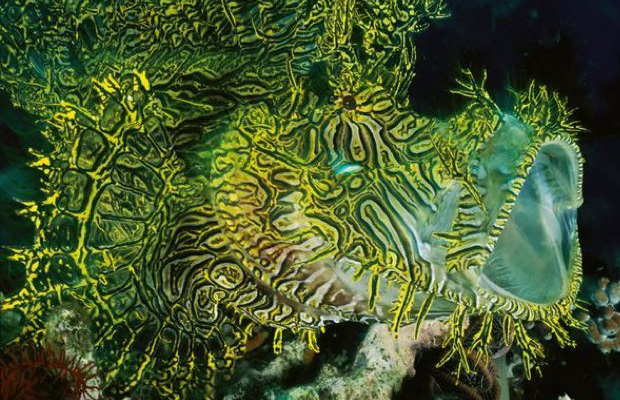
Merlet’s Scorpionfish (Rhinopias Aphanes) have a variety of other names, many of which include the word “lacy”. This is because they have a considerable amount of tentacles and skin flaps, as well as an unusual shape overall, which gives them their so-called lacy look.
Pygmy Seahorse
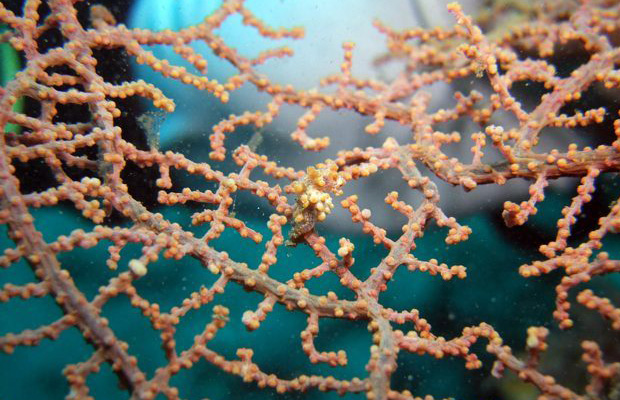
At a whopping 27 mm, the Pygmy Seahorse is the Goliath of the recently-mentioned Hippocampus Denise. Its minuscule size and elaborate camouflage help explain why the first was only discovered in 1969, and that only 6 more have been found since, all after 2000.
Tawny Frogmouth
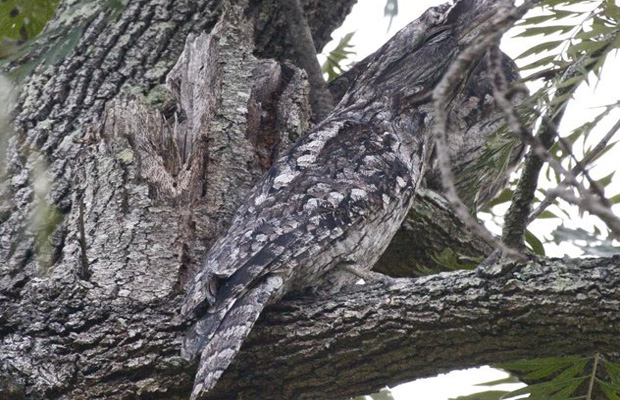
The Tawny Frogmouth (Podargus Strigoides) is a type of owl native to Australia. Although they are, unsurprisingly, nocturnal, they have developed a sophisticated method of daytime camouflage: they sit still, close their eyes, stretch their neck and compact their feathers, making them look like a broken tree branch.
Leafy Sea Dragon
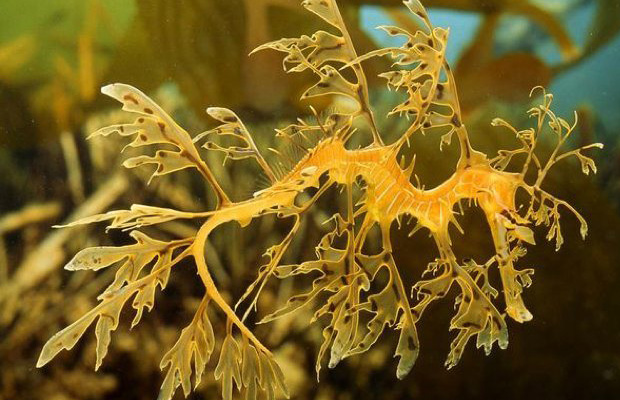
Leafy Sea Dragons (Phycodurus eques) are native to the oceans south of Australia. Measuring up to 35cm (13.8 inches), they have long, slender bodies, decorated with elaborate leaf-like appendages to help them blend in with the plant life of the water.
Underwing Moth
There are over 200 species of underwing moths, mostly found in eastern North America. They are so called because the second set of wings, those only visible when flying, are bright patterns of orange, yellow red and white, while their first set of wings are usually a mix of gray and brown patterns.
Reef Stonefish
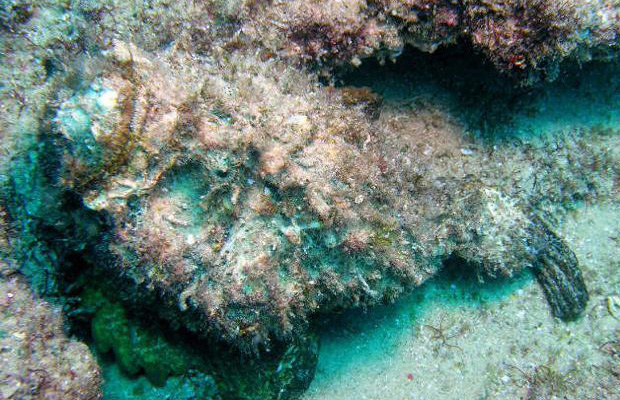
The Reef Stonefish (Synanceia Verrucosa) are found in the rocky coral of Australian coasts, and can measure up to 50cm (1.6 feet). Needless to say, being from Australia, the fish is one of the most venomous in the world. It can inject venom through any of its 13 spouts.
Dead Leaf Butterfly
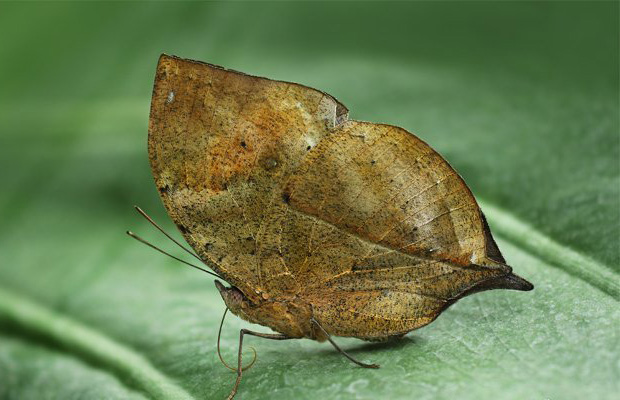
Probably one of the most perfect examples of camouflage in the animal kingdom, the Dead Leaf Butterfly (Kallima inachus) the dead leaf butterfly is found mainly in tropical Asia, especially India and Japan.
Leaf Tailed Gecko
Like the dead leaf butterfly, they look dried up, or rotten, but they are also famed for their ability to blend into bark on trees. There really is no one picture that can perfectly capture how varied yet perfect their camouflage can be.


