
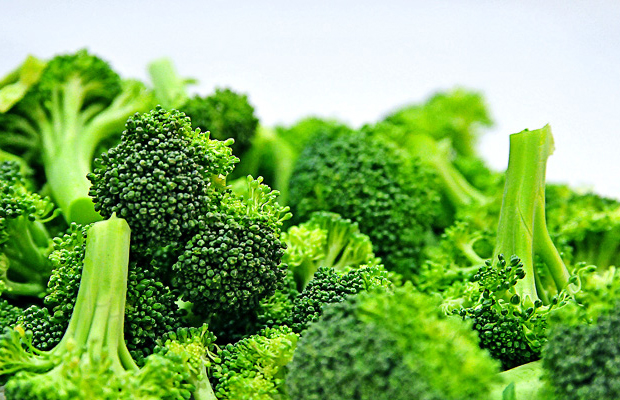
Broccoli
All cruciferous veggies (think cauliflower, cabbage, kale) contain cancer-fighting properties, but broccoli is the only one with a sizable amount of sulforaphane, a particularly potent compound that boosts the body’s protective enzymes and flushes out cancer-causing chemicals. Helps fight: breast, liver, lung, prostate, skin, stomach, and bladder cancers.
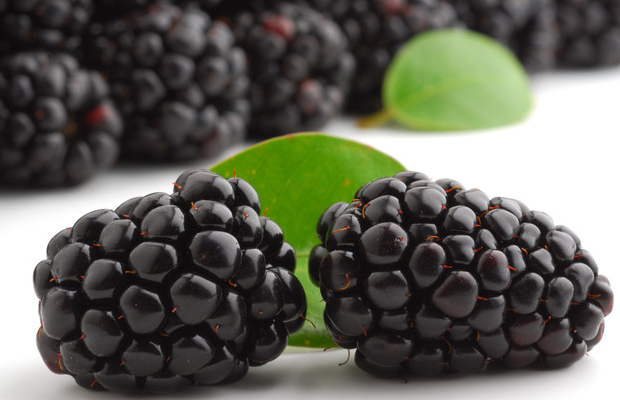
Berries
All berries have cancer-fighting phytonutrients, but black raspberries, in particular, contain very high concentrations of phytochemicals called anthocyanins, which slow down the growth of premalignant cells and keep new blood vessels from forming (and potentially feeding a cancerous tumor). Helps fight: colon, esophageal, oral, and skin cancers.
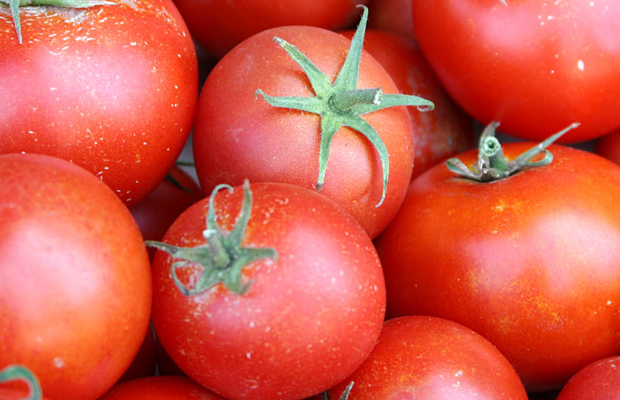
Tomatoes
Tomatoes are best dietary source of lycopene, a carotenoid that gives tomatoes their red hue. Lycopene was found to stop endometrial cancer cell growth in a study in Nutrition and Cancer. Endometrial cancer causes nearly 8,000 deaths a year. Helps fight: endometrial, lung, prostate, and stomach cancers.
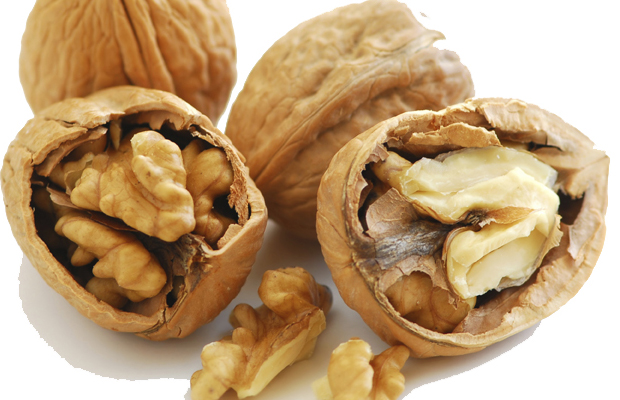
Walnuts
Walnuts’ phytosterols (cholesterol-like molecules found in plants) have been shown to block estrogen receptors in breast cancer cells, possibly slowing the cells’ growth. Helps fight: breast and prostate cancers.
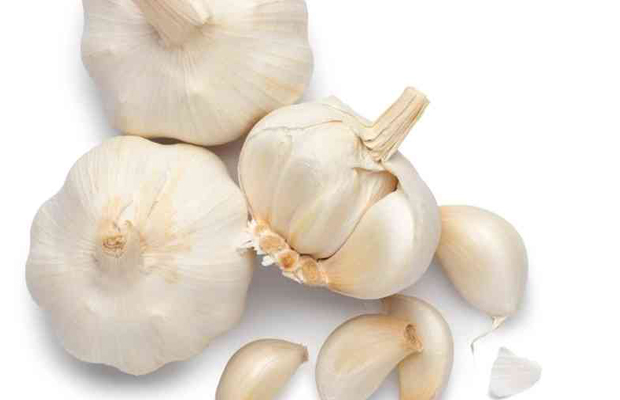
Garlic
Phytochemicals in garlic have been found to halt the formation of nitrosamines, carcinogens formed in the stomach (and in the intestines, in certain conditions) when you consume nitrates, a common food preservative. Helps fight: breast, colon, esophageal, and stomach cancers.
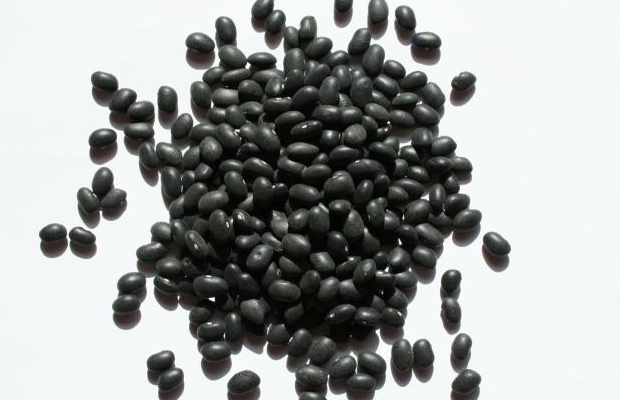
Beans
A study out of Michigan State University found black and navy beans to significantly reduce colon cancer incidence in rats, in part because a diet rich in the legumes increased levels of the fatty acid butyrate, which in high concentrations has protective effects against cancer growth. Helps fight: breast and colon cancers.


