
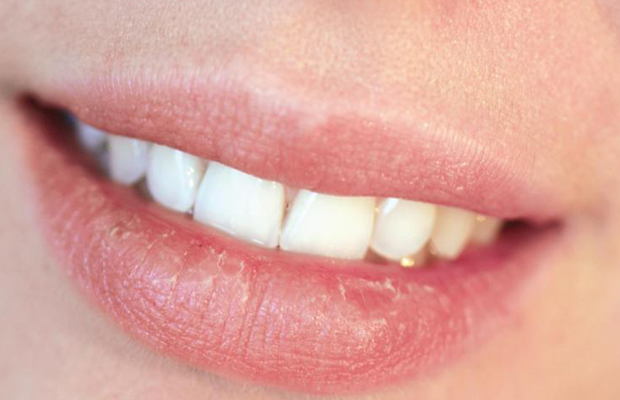


Dry, Flaky Skin or Lips
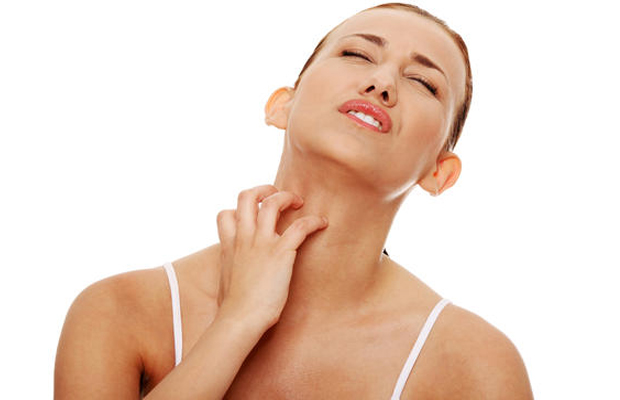
This is a common warning sign of dehydration. It may also indicate a more serious problem that affects sweat gland function, such as hypothyroidism (marked by insufficient levels of thyroid hormone) or diabetes. Other signs of hypothyroidism include feeling cold, weight gain, and fatigue. Diabetes symptoms include extreme thirst, frequent urination, and blurry vision.
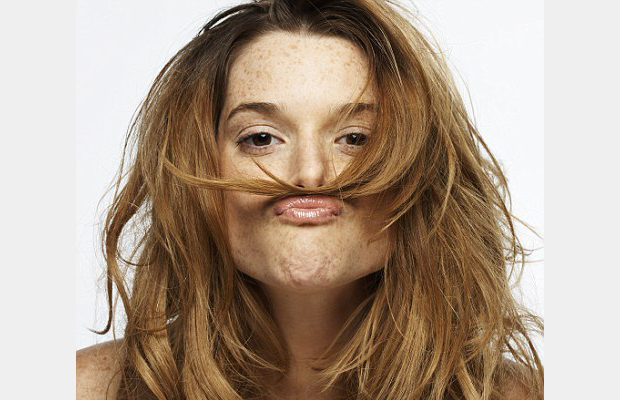
Excess Facial Hair
Unwanted hair, particularly along the jawline, chin, and upper lip, could be a symptom of polycystic ovary syndrome, a hormone imbalance in which male hormone levels are elevated. The condition may affect five million U.S. women of childbearing age.
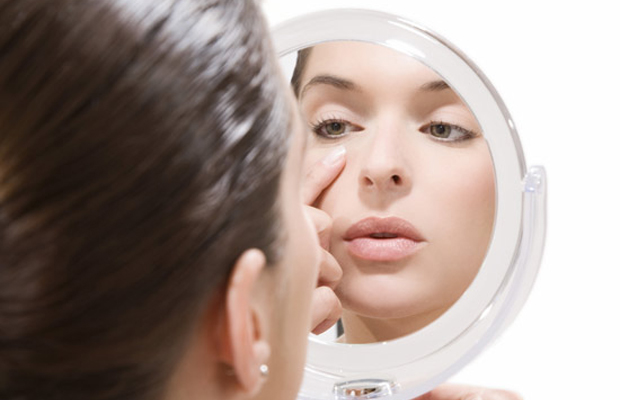
Soft, Yellow Spots on Eyelids
Patients with these cholesterol-filled lesions, called xanthelasmata, may have a higher risk of heart disease. A 2011 Danish study of nearly 13,000 patients found that about 4 percent had the spots and that those patients were nearly 70 percent more likely to develop hardening of the arteries and almost 50 percent more likely to have a heart attack over the next few decades than patients without them.
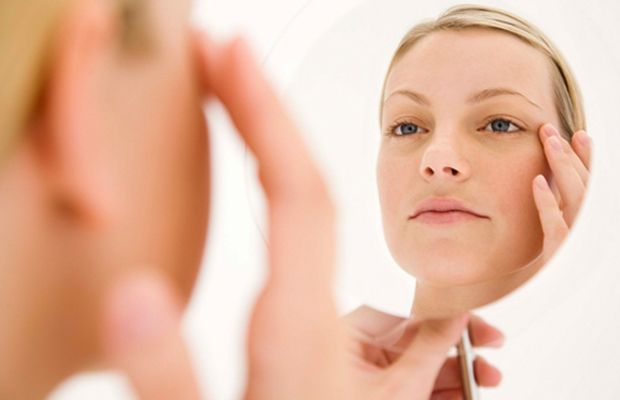
Eye Bags and Puffiness
Tired-looking eyes could be a red flag for chronic allergies, which dilate blood vessels and cause them to leak. In the sensitive skin under your eyes, this creates puffiness and a dark purple-blue hue.
Facial Asymmetry
This can be one of the first signs of stroke, says Leana Wen, MD, from George Washington University. You might also notice that one side of your face is numb or feel as if you can’t fully smile, or you might have trouble speaking. If you suspect that you or a relative may have had a stroke, call 911 right away.
Discolored Complexion
Even slight changes may indicate that something may be wrong. Paleness could be a sign of anemia. A yellow tone could indicate liver disease. A bluish tint in lips or nail beds could indicate heart or lung disease.
Rashes and Blotches
Certain digestive problems may show up on skin. Itchy clusters of red bumps could indicate celiac disease, an autoimmune disorder in which the body reacts to gluten. A butterfly-shaped rash across the cheekbones and over the bridge of the nose can be a sign of lupus, an autoimmune disease. Allergies, eczema and rosacea, and certain infections can also trigger facial rashes.
Receding Chin
Along with traits like a thick neck and a small jaw, this could be a sign of sleep apnea, a disorder in which your breathing repeatedly stops for ten seconds or more while you sleep. If you snore loudly, get headaches first thing in the morning, or feel excessive fatigue during the day, ask about getting tested.


