


Find Out How Dense You Are
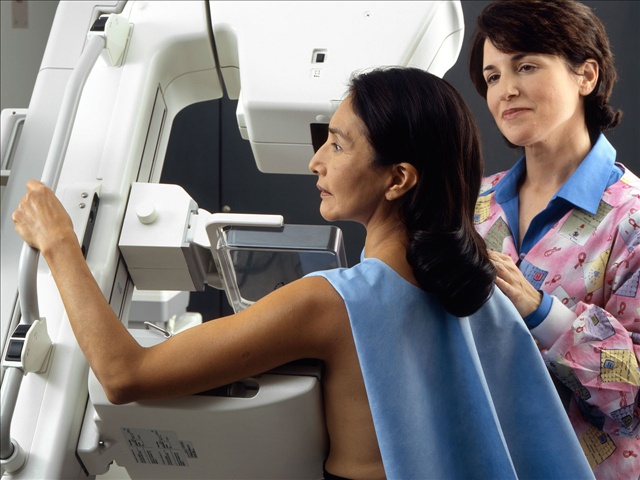
Having dense breasts makes your cancer risk up to 6 times higher. More tissue than fat in breasts (common in younger women) makes cancer harder to detect on a mammogram: Both tumors and breast tissue show up white, while fat looks dark. Experts aren’t sure why that is, but one possibility is the fact that there is no standardization for measurement of breast density.
Get Moving
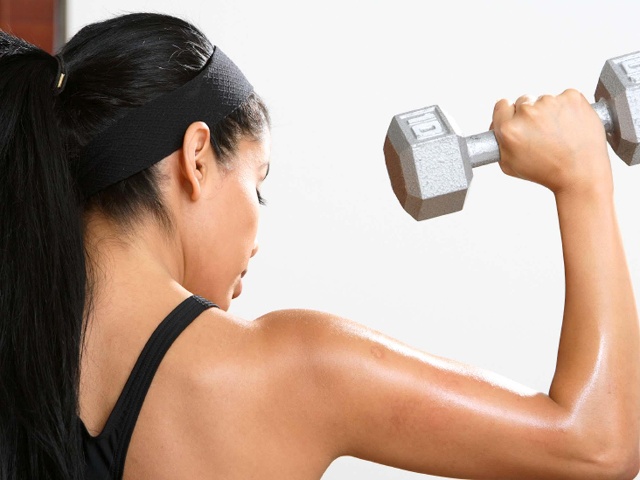
Exercise seems to protect against breast cancer in several ways. First, it helps control weight. An American Cancer Society study found that women who’d gained 21 to 30 pounds since age 18 were more likely to develop breast cancer than those who hadn’t gained more than 5 pounds. The reason: estrogen, which can stimulate cell overgrowth and breast cancer.
Know Your Family Cancer History — Even Dad’s
About 5 to 1 of breast cancer is hereditary, passed from one generation to the next via a variety of mutated genes. Your father’s family counts as much as your mother’s. And look at your family’s history of other kinds of cancer, too.
Minimize Radiation Exposure from Screening Tests
It’s ironic. Mammograms are the staple of breast cancer surveillance, yet ionizing radiation — the kind in many high-tech screening tests — is a risk factor for the disease, because ionizing radiation can cause DNA mutations in cells, but that doesn’t mean you should cancel your mammogram.
Limit Hormone Therapy
The Women’s Health Initiative found that long-term use of combined estrogen plus progestin therapy increases a woman’s risk of breast cancer by 24%, but unless your risk is significant, you can still talk with your doctor about the use of hormone therapy to manage menopausal symptoms such as hot flashes. Just determine the smallest dose that will help, and take it for the shortest time possible.
Consider Breast-Feeding
Women who consistently breast-feed for the first 6 months have a 1 reduced risk of death from cancer, compared with those who don’t, found a recent study in the American Journal of Clinical Nutrition. One reason: Because a woman doesn’t menstruate while breast-feeding, it limits the number of cycles she has over a lifetime, which lowers the amount of estrogen to which her body is exposed.
Eat the Right Foods, Every Day
Research continues to produce promising evidence that what you eat can affect your risk. For example, Harvard researchers recently found that women who had the highest carotenoid levels in their blood had a 19% lower risk of breast cancer than those with the lowest levels. Carotenoids are found in fruits and vegetables such as leafy greens, carrots, and red peppers.
Detect it Early
When breast cancer is caught early, the prognosis is often excellent. The 5-year survival rate for breast cancer that’s found early and confined to the breast is 99%, says the American Cancer Society. If you’re of average risk (no family history), get yearly mammograms and clinical breast exams starting at age 40. Women in their 20s and 30s should get a clinical breast exam every 3 years. If you’re over 40, get one yearly.


