

How will I know if I’m having a heart attack?
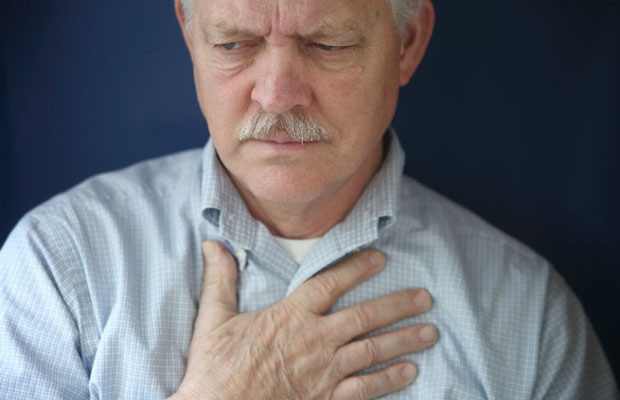
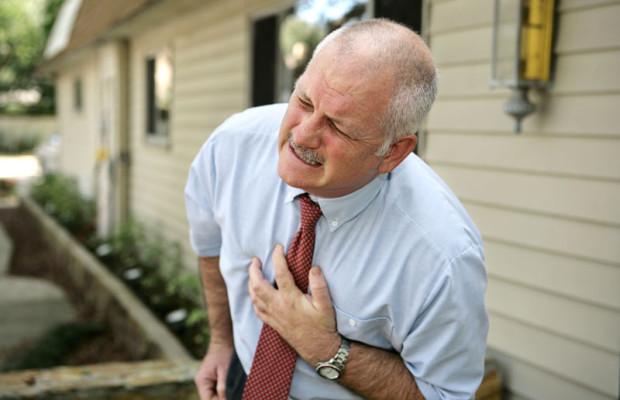
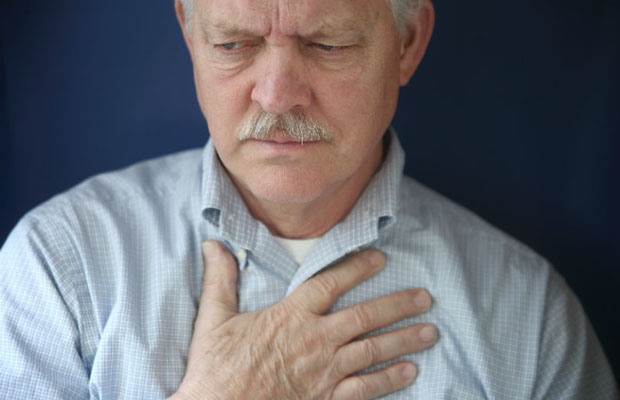
The number one rule: don’t diagnose yourself. Call 911 if you have any of the following symptoms. Chest discomfort: Discomfort in the center of the chest that lasts for more than a few minutes, or goes away and then comes back. Uncomfortable level of pressure, squeezing, fullness, or pain. | Upper body discomfort: Pain in one or both arms, the back, neck, jaw, or stomach. | Shortness of breath: May occur with/without chest discomfort. | Other signals: Breaking out in a cold sweat, nausea, lightheadedness, overwhelming fatigue, or a feeling of impending doom (especially common in women.)
Will I get that “elephant on the chest” feeling I’ve heard about?
Maybe, maybe not. In a heart attack, blood supply to the heart muscle is interrupted and heart muscle cells start to die, which may cause chest pain, but sometimes it doesn’t, especially in women. Most heart attacks build up slowly, with milder pain or discomfort.
Can I have a heart attack and not know it?
Yes, and while it can happen to anyone, it’s people with diabetes who are more likely to have what’s called a “silent heart attack.” You may not experience any of the “expected” heart attack symptoms, like chest pain. However, you may feel nauseous, short of breath, or even faint.
Is there any time of day when I’m more likely to have a heart attack?
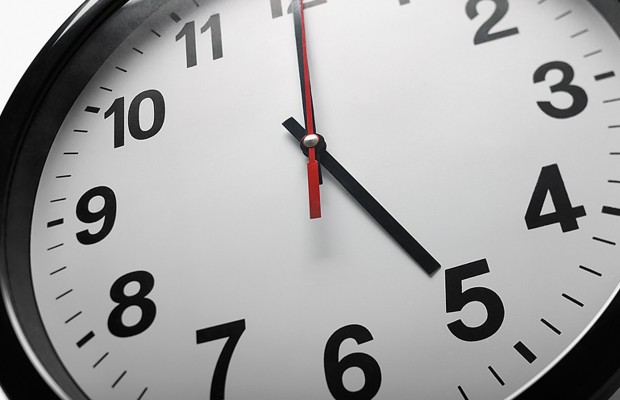
A heart attack can strike at any time, but it occurs most frequently in the early hours of the morning. Heart attacks are 4 more common between 6 a.m. and noon than at other times of the day. Similarly, sudden cardiac deaths are 29% more common in the morning.
What should I do if I think I’m having a heart attack?
Call for an ambulance immediately, and stay calm. Then, sit or lie still and slowly chew one 300 mg aspirin tablet; aspirin helps minimize heart damage or development of a dangerous blood clot by reducing the “stickiness” of the platelets that play an important part in blood clotting. Also, make sure your door is unlocked so emergency responders can get into your house. Don’t eat or drink anything, and phone a relative, neighbor, or friend.
What can I expect once I get to the hospital?
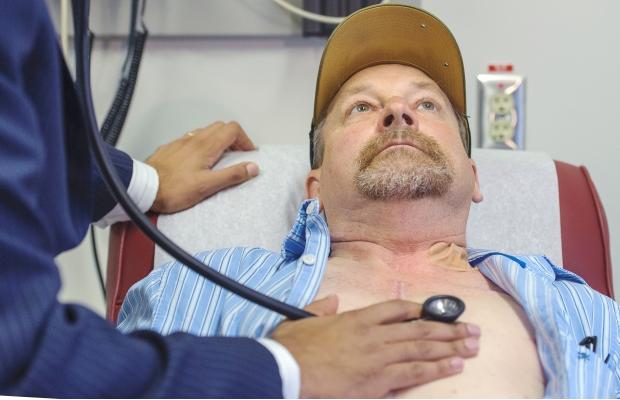
First, you’ll be hooked up to a cardiac monitor and intravenous drip. You’ll be given oxygen and pain medication while an ECG test is performed to measure the heart’s electrical impulses and to detect any irregular rhythm or other abnormalities that indicate a heart attack. They’ll take a blood sample to see if the heart muscle is damaged. Depending on your condition or the severity of attack, doctors may keep you in the hospital until the best treatment is determined.
Will I have to have surgery?
If you reach the hospital quickly, doctors may try to open up your coronary arteries mechanically in a procedure known as coronary angioplasty. A thin tube with a balloon at the tip is threaded up from your groin to your coronary artery, and a small amount of dye is injected so that the site of the blockage can be seen using an x-ray video. The balloon is inflated to widen the artery, and when the tube is withdrawn, a small metal coil known as a stent is usually left in place to keep the artery open and prevent further blockages.
Can I exercise after a heart attack?
Exercise actually lowers your risk of suffering a second heart attack, but talk to your doctor to find an exercise routine that is safe for you. Doctors may recommend cardio like walking, jogging, cycling, or swimming to help strengthen the heart muscle. Never start training until the doctor gives you the all-clear.


