





Alice in Wonderland Syndrome
Alice in Wonderland syndrome (AIWS), or micropsia, is a disorienting neurological condition which affects human visual perception. In this condition, time, space, and images seem distorted.
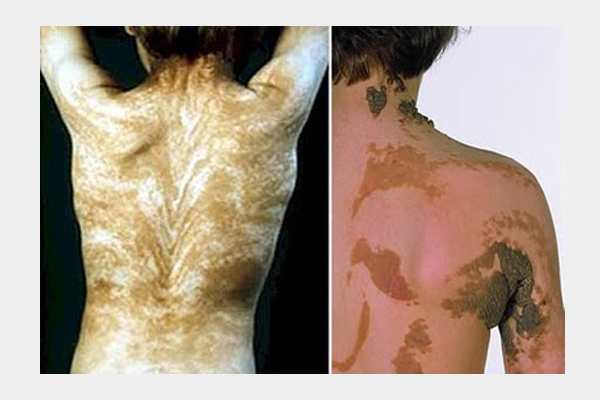
Blaschko’s Lines
Blaschko’s lines are an extremely rare and unexplained phenomenon of human anatomy first presented in 1901 by German dermatologist Alfred Blaschko.
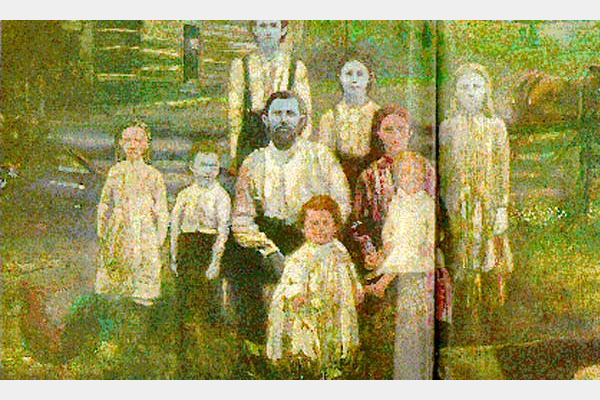
Blue Skin Disorder: The Blue People
A large family simply known as the “blue people” lived in the hills around Troublesome Creek in Kentucky until the 1960s. They were the blue Fugates. Most of them lived past the age of 80, with no serious illness – just blue skin.
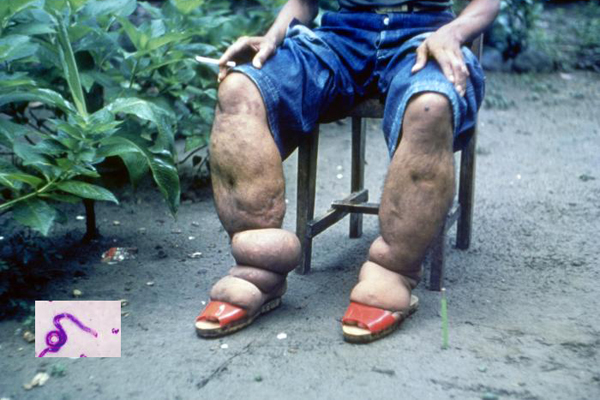
Elephantiasis: Grossly Enlarged Extremities
Lymphatic filariasis, also known as elephantiasis, is best known from dramatic photos of people with grossly enlarged or swollen arms and legs.
Jumping Frenchman Disorder
The main characteristic of Jumping Frenchman Disorder is that patients are extremely startled by an unexpected noise or sight.
Pica: Urge to Eat Non-Food Substances
People diagnosed with Pica have an insatiable urge to eat non-food substances, like dirt, paper, glue, clay, etc. Health experts found no real cause or cure for this disorder.
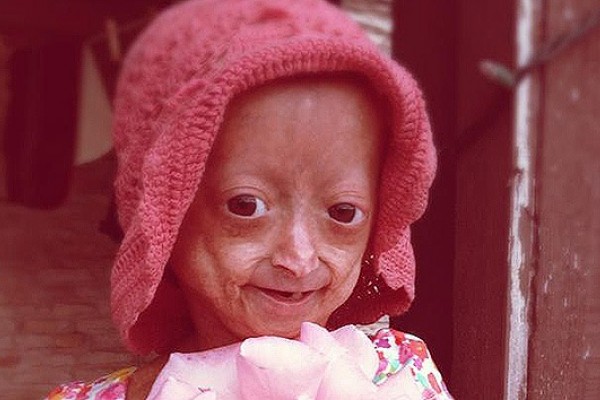
Progeria: The 80-Year-Old Children
Progeria is caused by a single tiny defect in a child’s genetic code, but it has devastating and life-changing consequences.
Vampire Disease
There are people who if caught in the sun will get blisters on their skin. This extreme photosensitivity puts them into category of people with Vampire Disease.
Walking Corpse Syndrome
It is a syndrome of mental depression and suicidal tendencies in which the patient complains of having lost everything: possessions, part of or entire body, often believing that he or she has died and is a walking corpse.
Werewolf Syndrome
The disease is called Werewolf Syndrome because people with it look like werewolves. They don’t have sharp teeth and/or claws, though.


